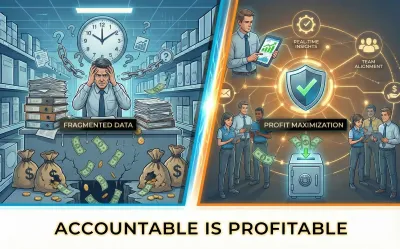
Where Do Grocery Stores Lose the Most Money? (5 Key Areas)
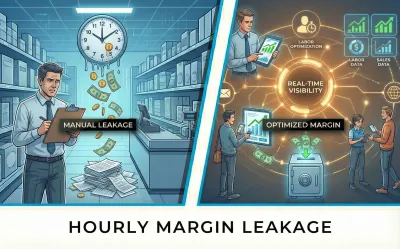
Review receiving, pricing, inventory, labor, and checkout exceptions—and measure their financial effects without overlap.
UniSight’s built-in insights start with work completed in one system. Explore current performance measures and pricing tasks, then read our analysis of the costs and decisions shaping food retail.
Review sales, gross profit, transactions and dollars per ticket in per-branch dashboards. The records come from operations completed in UniSight, so you can investigate what is changing.
Explore the UniSight systemA manager reviews outstanding pricing work, follows the task into its existing queue and checks the price decision. The dashboard summarizes the task; the manager owns the action.
Current actionable alerts cover pricing tasks. They do not automatically approve or correct a change.
See the workflow in a demoOur articles explore operating questions and industry developments. They are distinct from the current software capabilities described above.
Review receiving, pricing, inventory, labor, and checkout exceptions—and measure their financial effects without overlap.

Build an operating strategy from actual costs and measurable customer needs.
Compare total card acceptance cost using your transaction mix and actual contract.
Compete on useful decisions with a measured approach to technology.
A practical foundation for operational decisions and future analytics.
Read historical grocery research and evaluate the economics of your own channels.
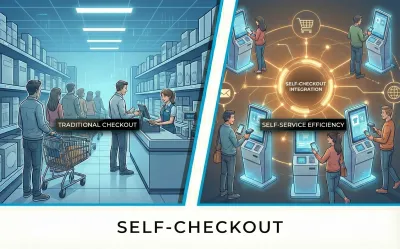
Measure the whole checkout workflow before assuming a labor or shrink result.
Estimate a delayed price change using defined cost timing, margin targets, and a constant-volume counterfactual.
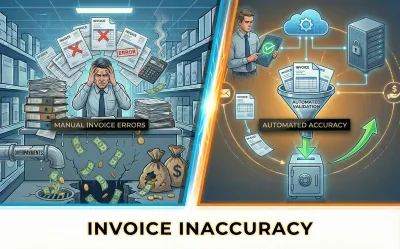
Invoice errors: build a store-specific loss model and reconcile receiving, supplier terms, credits, and payments.
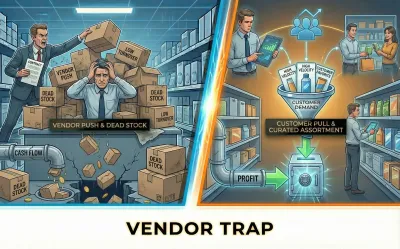
Navigating the pressure of vendor push vs. customer pull to unlock true store profitability.
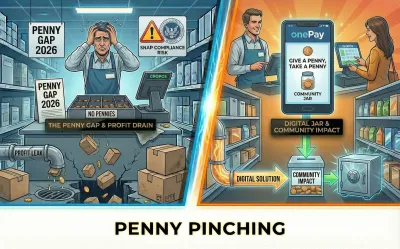
Cash change needs a clear policy, traceable records, and careful review of applicable requirements.